If you find yourself with a bad credit history, it is unfortunate, as it will have costly consequences, especially if you are thinking of buying a house, you won’t be able to get a loan. If you find a subprime lender that’s willing to underwrite your loan, you will pay thousands more in interest expense.
Your credit score represents your worthiness to borrow money, and a bad FICO score can be a bit of a shock. However, it is not the end of the world, and we will look at how you improve credit score numbers over the next few months to get your home loan across the line.
Bad Credit History Causes
Often a bad credit history can be as simple as not paying attention to when our bills are due, or a life event like becoming unemployed and taking a while to get another job will run down finances quite quickly, sending you into debt. The FICO, which 90% of lenders use, is a credit score created by the Fair Isaac Corporation.
(FICO) and is a three-digit number based on how likely you are to pay a loan, determining your credit risk. Other companies use different models like Vantage. Both FICO and Vantage use credit-score models to assess the information in your report and calculate the score slightly differently.
FICO scores range from 300-850 and are made up of the following:
- Payment history=35%
- Amounts owed= 30%
- Length credit history 15%
- New credit 10%
- The mix of credit 10%
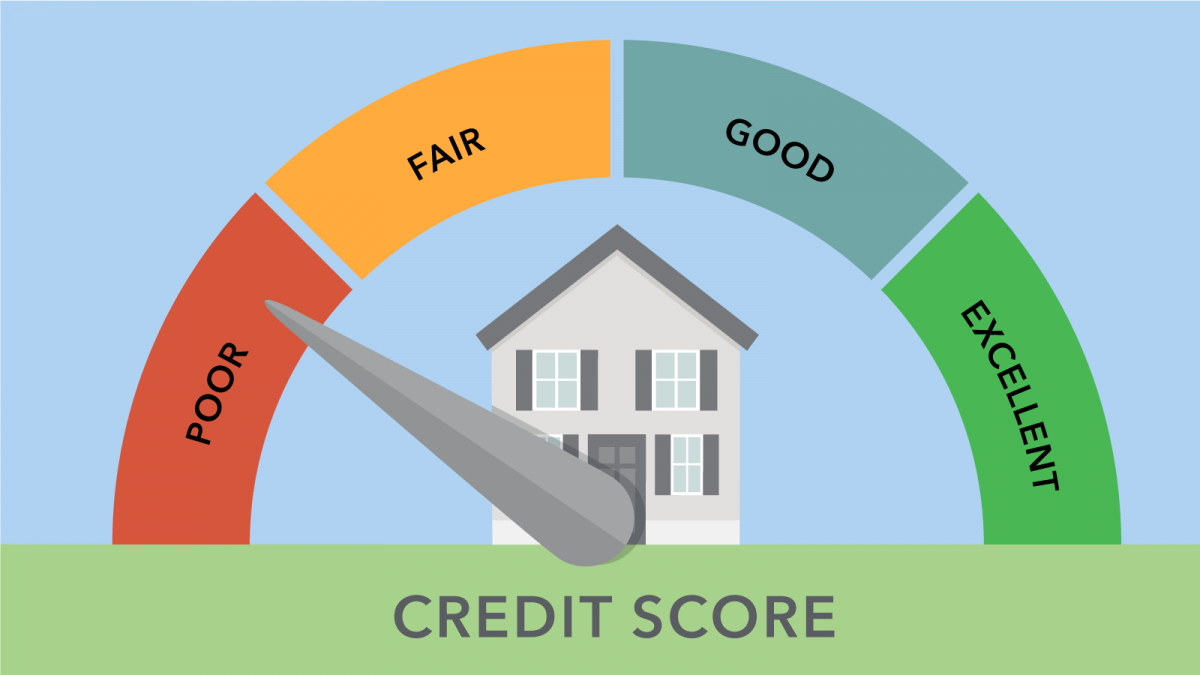
This is what the scores mean
- 800+ Exceptionally good
- 740-799 Very Good
- 670-739 Good
- 580-669 Fair
- 579 and lower Poor
In 2020, the average FICO Score in the U.S. was 711, according to Experian
Vantage Scores
Vantage score solutions were created in 2006 as a venture between three major consumer bureaus TransUnion, Equifax, and Experian. The latest scoring uses a range of 300-to -850. The scores are based on the following history:
- Payment History extremely influential
- Age and type of credit highly influential
- Balances and debt moderately influential
- Recent credit behavior Less influential
- Available credit Less influential
This is what the scores mean
- 750-850 Excellent
- 700-749 Good
- 640-699 Fair
- 300-639 Needs Work
So your credit scores are reports and records of past dealings of your other credit history, including your name and address and history and credit inquiries. So staying on top of your scores is very important, and there are steps that you can take to improve your score. Use credit monitoring apps and check where you are on the range regularly.
How to Improve Your Credit Score
- Pay all your bills on time
- Check your credit report every week.
- If you are in collections, pay it off
- Catch up on all outstanding bill payments
- Lower your credit card balances to under 50%
- Pay off as much debt as you can, starting with smaller debts.
- Check your credit score for accuracy.
- Use different credit types to improve your score.
- Don’t move and change jobs too often; you aim to appear reliable.
- Try to form a relationship with the bank.
If you are reliable and consistent, this will help you as these are characteristics valued by lenders. If you do all of the above, your credit score will show gradual improvement.
When you check your different credit scores, you will find that they may vary. The lenders may not report to all three major credit bureaus, and updates may reach the site at different times. On average, it takes up to 45 days for new information to reflect on your credit reports.
If you are looking at Credit Karma, the site has two purposes: it encourages you to improve your credit score and helps you to save money. The credit score simulator does all the work for you by displaying moves that will trigger credit score changes. Other tools help with refinancing and debt repayment options.
Consequences of a Bad Credit History
If you have a bad credit history, credit bureaus can help you get back on track and improve your rating. Opt for credit monitoring, and they send you alerts when important changes appear on your credit score. This may be just what you need to get your good credit rating back. Also, you can read our article on 4 types of bad credit reports and how to fix them.
Having a bad credit rating can seriously impact your future borrowing abilities. If the score is low, you will probably be refused credit as you are too greater a risk for a mainstream lender to consider. If they do lend you money, you will be charged a higher rate. Your insurance premiums may also go up. Here are some other things that will impact your credit score.
- Missing your credit card payment.
- Late payment of bills
- Too many credit applications
- Missing your after pay payment
- Payday loans
- Applying for regular balance transfers
- Not updating your contact details
- Not addressing errors on your credit report.
- Not checking credit report.
If you miss a credit card repayment, it will be on your report and stay there for two years, and if you are over 60 days late with a payment, a default will be issued, and default remains on your credit report for five years. Five years without getting any credit is a long time, and it might mean deferring your home purchase for years.
Don’t Shop Around For Credit.
Never apply to multiple credit providers for credit in a short time frame. This can lower your credit score and are another inquiry that stays there on your report for 5 years. Any court judgments resulting from not paying your card within 60 days will be listed on your credit report. Filing for bankruptcy will also lower your credit score. If this happens, it will be 5-10 years before you get your credit rating back, so as you can see, the consequences are dire and should be avoided at all costs.
Conclusion
Even if you have a bad credit history, you can still fix it by doing all the right things, keeping a check on your FICO and Vantage scores, and learning how to put them right. There are a lot of agencies that can help you to manage credit and finances better. If you have any court judgments against you, ask to be put in touch with a free financial counseling service near you, they are kind and nonjudgemental in their approach, as they don’t want things to get worse for you.



Pingback: Charge Offs, Collections, & Judgments - Personal Finance
Pingback: College Credit Cards: A Tool for Building Credit or a Debt Trap? - FMC